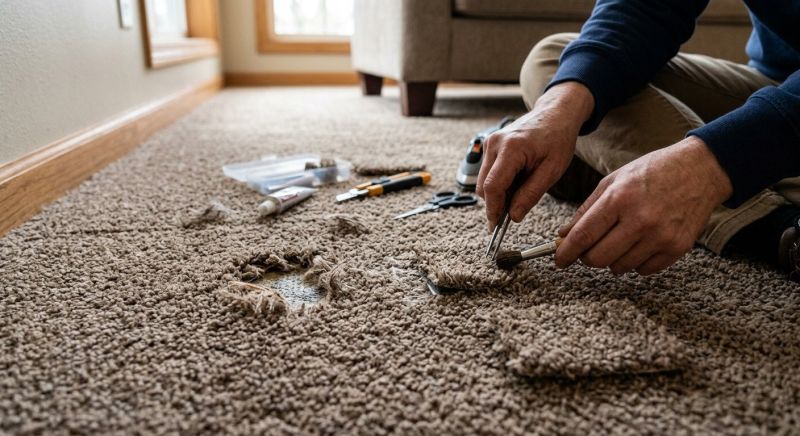
Carpet Hole Repair in Denver County, CO
Carpet hole repair services involve restoring areas of a carpet that have become damaged or worn through excessive use, accidents, or aging. This service typically covers small to large holes, tears, or worn patches, helping to improve the appearance and functionality of the flooring. Property owners often seek this type of repair when they notice unsightly gaps or frayed areas that detract from the overall look of a room, or when they want to prevent further damage from spreading.
Before requesting carpet hole repair, property owners usually want to understand the scope of the damage and whether the repair will seamlessly blend with the existing carpet. It's helpful to know if the repair can match the color, pattern, and pile of the current flooring to avoid noticeable differences. Additionally, understanding the types of carpets that can be repaired and whether the repair process will preserve the carpet's durability can aid in making an informed decision.
Many property owners in Denver County, CO look into Carpet Hole Repair for repairs, replacements, upgrades, and appearance-related improvements.
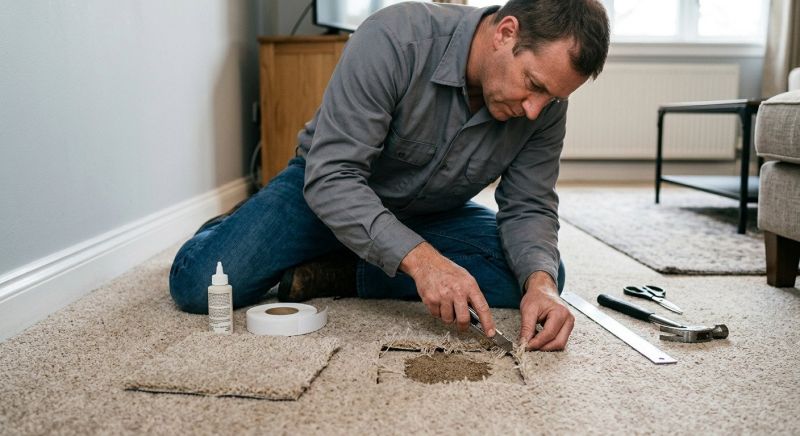
Common Causes Of Carpet Holes
Carpet holes often result from heavy foot traffic, furniture movement, or pet activity in denver county homes.
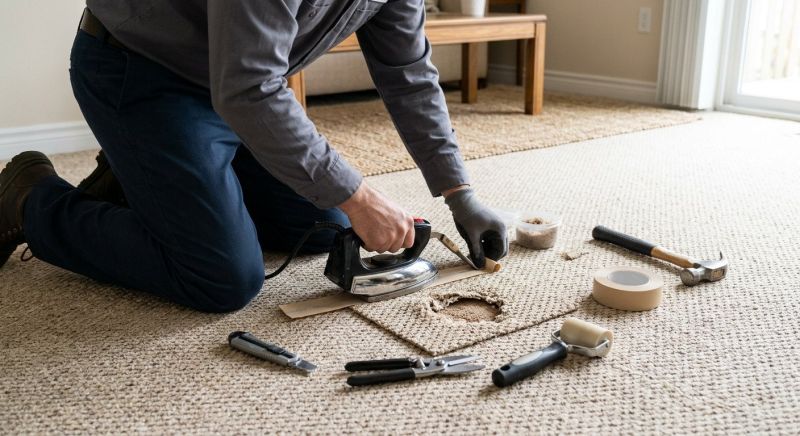
Repair Techniques And Options
Professional repair methods include patching, re-stretching, and seamless blending to restore the carpet's appearance.

Preventing Carpet Damage
Regular maintenance, furniture pads, and pet training can help minimize the risk of future carpet holes in your property.
Carpet Hole Repair in Denver County, CO

Carpet hole repair services involve restoring areas of a carpet that have become damaged or worn through excessive use, accidents, or aging. This service typically covers small to large holes, tears, or worn patches, helping to improve the appearance and functionality of the flooring. Property owners often seek this type of repair when they notice unsightly gaps or frayed areas that detract from the overall look of a room, or when they want to prevent further damage from spreading.
Before requesting carpet hole repair, property owners usually want to understand the scope of the damage and whether the repair will seamlessly blend with the existing carpet. It's helpful to know if the repair can match the color, pattern, and pile of the current flooring to avoid noticeable differences. Additionally, understanding the types of carpets that can be repaired and whether the repair process will preserve the carpet's durability can aid in making an informed decision.
Many property owners in Denver County, CO look into Carpet Hole Repair for repairs, replacements, upgrades, and appearance-related improvements.
Common Carpet Hole Repair Jobs
Carpet Hole Repair - Restores damaged areas to blend seamlessly with the surrounding carpet.
Pet Damage Repair - Fixes holes caused by pet claws or chewing for a clean look.
High Traffic Area Repair - Addresses wear and tear in frequently used spaces.
Burn Hole Repair - Repairs small burns or singed spots in the carpet fibers.
Seam and Tear Repair - Fixes rips or separations to improve carpet appearance and durability.
Water Damage Repair - Restores carpets affected by spills or flooding to prevent further deterioration.
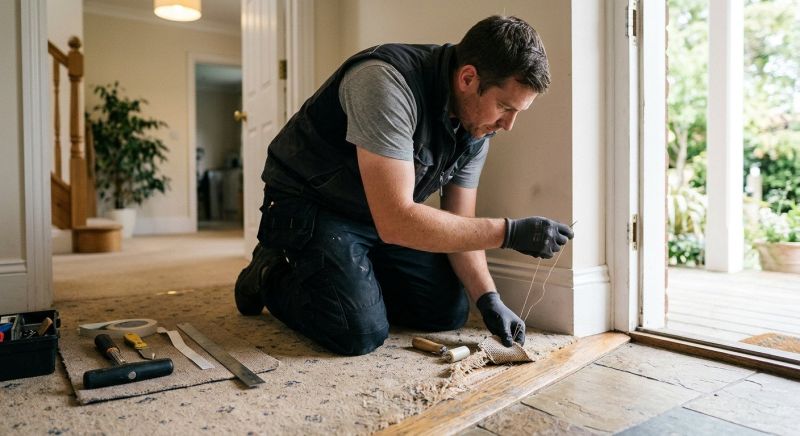

Carpet Hole Repair Questions
What types of carpet holes can be repaired? Carpet hole repair services can address tears, burns, pet damage, and worn spots to restore the appearance of the flooring.
Is carpet patching a common repair method? Yes, patching involves replacing damaged sections with matching material to seamlessly blend with the existing carpet.
Will the repair be noticeable? When properly performed, repairs are designed to be as discreet as possible, matching the carpet’s pattern and texture.
What should property owners consider before repairing a carpet hole? It’s important to assess the size and location of the damage to determine if repair or replacement is the best option.
Request Carpet Hole Repair in Denver County, CO
Use the quote form on this page to share the basics of your project and request more information for the type of work you need.